
1- No-sugar-added jams are good, but for people who want sweet jams without sugar from cane or beet, is there a solution?
Yes, there are several natural alternatives to cane or beet sugar that still provide sweetness: coconut sugar, date syrup, fruit juice concentrates (apple, grape), agave syrup, or stevia/monk fruit extracts. We use some of these in our recipes to keep the jams naturally sweet without refined sugars. Feel free to ask for specific recommendations!
2- I made pineapple jam a few weeks ago and this week I found some jars with jam overflowing from the closed lids. What happened?
This is usually caused by fermentation (yeast or bacteria started working inside the jar) or by incomplete sealing/cooling. If the jam wasn’t hot enough when sealed or if the lid didn’t form a proper vacuum, gases can build up and push the jam out.
Safety: discard the jar if the lid is bulging or if you see bubbles/mold. It’s not worth the risk.
3- Why do other jams contain far more ingredients than those from Lola’s Garden?
Most supermarket jams add thickeners (pectin from industrial sources), preservatives, colorings, artificial flavors, and sometimes extra sugar or acidifiers to reduce production costs and increase shelf life. Our jams are minimalistic: fruit, natural sweetener, and sometimes a touch of lemon juice or citric acid from natural sources. Fewer ingredients = more authentic taste and transparency.
4- Let’s speak about sugar
Sugar plays several roles in jam: it sweetens, helps with gelling (with natural pectin), preserves by lowering water activity, and improves texture and color. Without sugar or with very little, jam becomes more fragile and needs other preservation methods (refrigeration, pasteurization, freezing).
5- What is the best sugar to use for making jam?
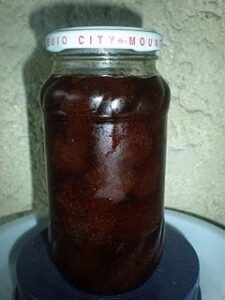
Brown sugar or white sugar used for a strawberry jam
However, as brown sugar is less treated than white sugar, some consumers prefer jam made with non-refined sugar. Compromise is often necessary to satisfy (partially) everybody. The use of a light brown sugar allows to avoid, partially, the “dark side” of the white sugar and do not modify too much the aspect of light colored fruits. It is probably the best home production choice in these times where appearances seem more important than the reality.
6- Why is Lola’s jam more expensive than supermarket jams priced less than 100 pesos?
Supermarket jams are mass-produced with cheaper ingredients, industrial thickeners, preservatives, and often lower fruit content. Ours are small-batch, handmade, with high-quality fresh fruit, no artificial additives, and slow cooking that preserves flavor and nutrients. You’re paying for real fruit, craftsmanship, and safety — not for fillers and shelf-life chemicals.
7- How can you tell if a fruit contains natural pectin?
High-pectin fruits (good for jam without added pectin): apples, citrus (especially peel), quinces, crabapples, currants, cranberries, plums.
Medium: apricots, blackberries, cherries, peaches.
Low: strawberries, raspberries, pineapple, mango, kiwi.
Simple test: simmer a little fruit with sugar → if it gels when cooled on a cold plate, it has enough natural pectin.
8- I make jam at home. Sometimes I find mould when I open a jar. What did I do wrong, and is it dangerous for health?
Most common causes:
Stored at room temperature too long after opening
Danger: surface mould is usually not toxic (remove it + 1–2 cm below), but if there’s a bad smell, off taste, or the jar was bulging, discard it completely. Better safe than sorry.
■ Jars/lids not properly sterilized
■ Jam not hot enough when poured (should be boiling)
■ Air trapped under the lid (no vacuum seal)
■ Stored at room temperature too long after opening
Danger: surface mould is usually not toxic (remove it + 1–2 cm below), but if there’s a bad smell, off taste, or the jar was bulging, discard it completely. Better safe than sorry.
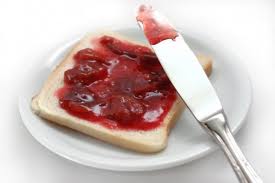
9- Why does a slice of bread with jam always fall jam-side down on the floor?
This is the famous “Murphy’s Law” jam phenomenon — scientifically explained by the center of gravity (jam side is heavier) and the way the bread spins when dropped. But honestly… it’s mostly because we notice it more when it happens that way!
10- Where is Lola’s Garden located, and do you grow your fruits and vegetables organically?
Lola’s Garden is in Sumag, Bacolod City, Negros Occidental, Philippines.
We source most of our fruits locally from small farmers in the region. We do not have our own large farm, but we work closely with growers who follow sustainable and often organic practices (no chemical pesticides when possible). Our goal is to use the freshest, cleanest ingredients available.
11- I read that it’s better to make jam in a copper pot. Is that true?
Yes, traditionally copper pots are preferred because copper conducts heat very evenly and helps preserve the bright color of fruits. It also reacts slightly with the acid in the fruit, enhancing flavor in some cases.
However, modern stainless steel or enameled pots work very well too, and they are easier to clean and don’t require tinning. We use stainless steel for safety and simplicity.
12- Is it possible to make jam with any kind of fruit?
Almost any fruit can be turned into jam, but the result varies greatly depending on pectin content, sugar level, and acidity. Low-pectin fruits (strawberries, pineapple, mango) need added pectin or longer cooking. High-pectin fruits (citrus, apples, plums) gel more easily. Experimentation is part of the fun!
13- What is the difference between jam, jelly and marmalade?
■ Jam: crushed or chopped fruit cooked with sugar → spreadable, contains fruit pieces.
■ Jelly: clear, made only from fruit juice (no pulp) → firm, jiggly texture.
■ Marmalade: citrus-based, contains peel strips (bitter-sweet) + juice and sugar.
14- Are there still vitamins in jam like in fresh fruit?
Yes, but less than in fresh fruit. Vitamin C is partially destroyed by cooking and storage, but other nutrients (antioxidants, minerals, fiber) are well preserved, especially in low-sugar, small-batch jams. Our slow-cooking method helps retain more vitamins than industrial high-heat processes.
15- You say you don’t use chemical products, but some of your jams contain citric acid.
Citric acid is naturally present in citrus fruits (lemon, calamansi, etc.). The one we use is food-grade, derived from natural sources (usually fermented from molasses or citrus), and approved as safe. It’s not a synthetic chemical preservative — just an acidity regulator we sometimes add to balance flavor and help gelling.
16- Do you take back empty jars and lids?
Yes and for Bacolod only, we accept clean, undamaged jars and lids for reuse or recycling. Bring them back to us when you order next time — we’ll give you a small discount or credit. Thank you for helping reduce waste!
17- What is pectin used for in some jams?
Pectin is a natural gelling agent found in fruit cell walls. It helps the jam set firmly without needing too much sugar or long cooking. We use it only when the fruit naturally lacks enough pectin (e.g., strawberries, pineapple). Our pectin is plant-based and minimal.
18- Is it possible to make jam with less sugar?
Yes — but it changes the texture and shelf life. Low-sugar jams need added pectin or agar, longer cooking, refrigeration after opening, and shorter storage time. We offer reduced-sugar options using natural sweeteners or fruit concentrates. Ask us for recipes!

“Is it possible to have more sugar in my tubo?
19- I noticed that some jams contain skin from calamansi or orange. Is that normal?
Yes, absolutely normal — especially in marmalades or citrus-based jams. The peel contains natural pectin and aromatic oils that give depth and bitterness (the famous English marmalade taste). We use organic or carefully washed peels to avoid any chemicals.
20- Can I repack jam into another bottle?
We strongly advise against it. The jam is poured boiling hot into sterilized jars, creating a vacuum seal and killing bacteria. Repacking after opening introduces air and potential contamination → mould or spoilage appears quickly. Better to order the size you need!
21- How long can I keep a jar of jam?
Unopened: 12–18 months in a cool, dry place (best before date on label).
Opened: 1–3 months in the refrigerator (taste is best within the first month).
If you see mould, off smell, or bubbling → discard the jar.
22- Which batwan product should you choose for cooking? Fresh, puree, powder or other preserves?
As always, fresh batwan is certainly the best choice for cooking. Nothing beats the authentic taste and texture of freshly picked fruit. But batwan grows mainly on Negros Island and doesn’t stay fresh for long once harvested. That’s why different preserved forms exist — so people outside Bacolod can still enjoy this unique and wonderful fruit.Here are the main options you can find:
- Fresh batwan
- Batwan puree
- Batwan powder
- “Exotic” variations: pickled batwan, batwan jam, batwan fruit paste, dried batwan, etc.
Batwan puree is made through a slow-cooking process that fully respects the fruit’s qualities. It keeps the seeds intact inside the pouch, giving you the same authentic feeling as eating real Kansi in a local Bacolod restaurant.
Our puree is pasteurized for maximum safety and long shelf life. In over ten years of production, we have never had a single case of contamination or negative feedback on taste. Many customers tell us they can hardly taste the difference between our puree and fresh batwan when cooking traditional recipes.
When Lola’s Garden Jam started producing batwan puree in 2014, we first packed it in glass bottles. But customers soon told us glass was not allowed in carry-on luggage on flights back to Manila. So we switched to special food-grade pouches that can withstand pasteurization. For us, this is the best guarantee of safety for the consumer.
You can easily recognize properly pasteurized batwan puree: after pasteurization it turns a rich, vibrant ruby color. Any batwan preserve that stays dark yellow has not been pasteurized and is therefore less safe. Of course, cooking kills most bacteria, but simply pouring the paste into a bottle or pouch does not make it completely safe — only proper pasteurization does.
Some producers now offer batwan powder. It’s a good option if weight or airplane cabin rules are a real concern. However, ultra-processed foods (UPFs) like powders are generally not recommended for regular consumption, as they are strongly linked to obesity, heart disease, diabetes, and cancer (see this 2024 British Medical Journal article: bmj.com/content/384/bmj-2023-077310 ) which concludes:
“Conclusions Greater exposure to ultra-processed food was associated with a higher risk of adverse health outcomes, especially cardiometabolic, common mental disorder, and mortality outcomes. These findings provide a rationale to develop and evaluate the effectiveness of using population based and public health measures to target and reduce dietary exposure to ultra-processed foods for improved human health. They also inform and provide support for urgent mechanistic research.”
Many customers also report a bitter taste in batwan powder that they never find in our puree. This bitterness may come from grinding the seeds during processing. In contrast, our puree keeps the seeds whole, allowing them to slowly release their essential oils and give that special, authentic batwan flavor you find in Bacolod restaurants when preparing Kansi.
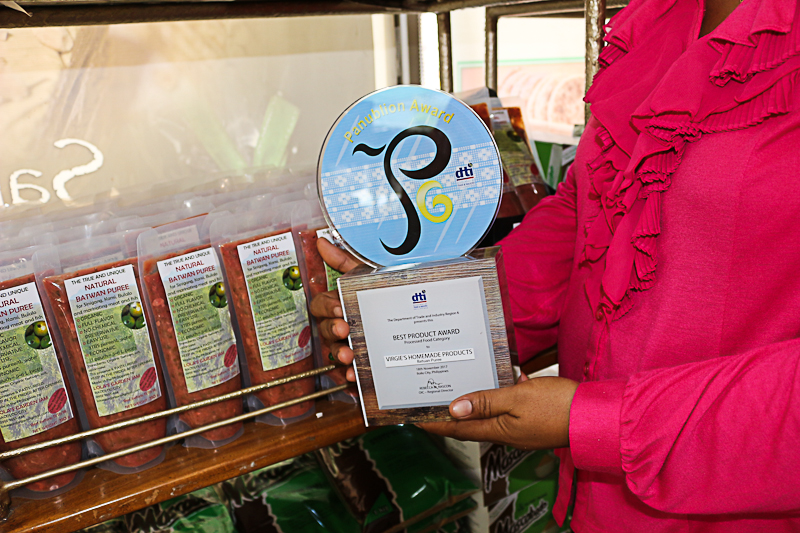
Finally, only Lola’s Garden Jam batwan puree has been awarded the Panublion* Award by the Department of Trade and Industry (DTI) in 2017 at the regional trade fair in Iloilo.
Which one do you prefer for your cooking? Let us know in the comments — we love hearing from you!
*Panublion is a Hiligaynon word meaning “heritage”. It refers to the annual regional trade fair organized by the DTI in Western Visayas (Region 6), mainly held at SM City Iloilo.